Bored Out of Your Mind (And Why That's Actually the Point)

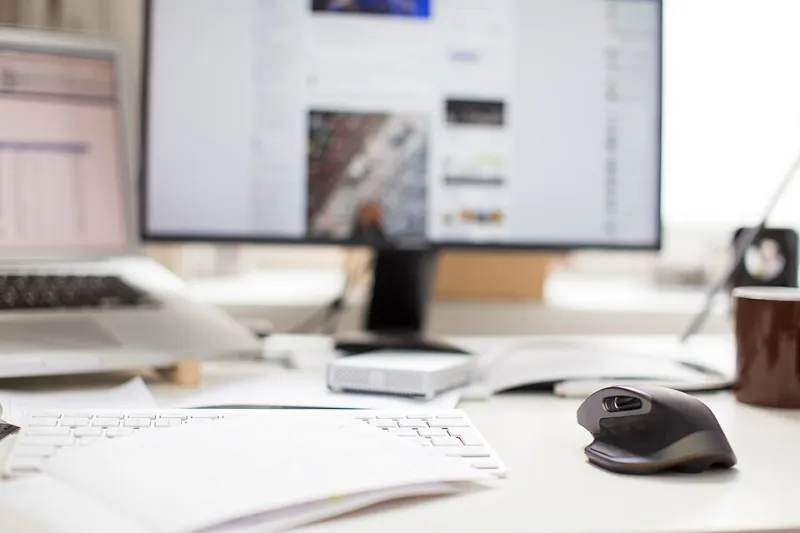
Photo: Cynthia Magana cynthmag, CC0, via Wikimedia Commons
Think about the last time you were genuinely, uncomfortably bored. Not just mildly understimulated — actually bored. The kind where you're sitting somewhere without your phone, with nothing to do, and your brain starts doing that restless, itchy thing where it doesn't know what to latch onto.
Can you even remember it?
For most of us, that experience has become almost impossible to access. We've filled in every crack of unstructured time so thoroughly that boredom barely gets a foothold before something swoops in to kill it. A podcast while you do the dishes. A scroll through Instagram while you wait for your coffee. A YouTube rabbit hole the second the TV show ends. We treat idle moments like emergencies to be solved, and we've gotten very, very good at solving them.
But here's the thing nobody really talks about: boredom was never the problem.
What We Actually Lose When We're Never Bored
There's a particular kind of thinking that only happens when your brain isn't actively chasing input. Neuroscientists call it the default mode network — the mental activity that kicks in when you're not focused on a task. It's the mental state behind daydreaming, reflection, and what researchers describe as autobiographical planning: the process of making sense of your own story and figuring out where you want it to go.
In plain terms, it's the thinking that happens when you're staring out a window on a long drive or lying in the grass doing absolutely nothing. It feels unproductive. It looks like nothing. But underneath, your brain is doing some of its most interesting work — connecting dots, surfacing old memories, quietly problem-solving things you didn't even consciously realize were problems.
When we eliminate boredom, we eliminate that mental space entirely. And the loss is real, even if it's hard to measure. Creative ideas that never surface. Emotional processing that never quite happens. A low-level sense that you're always busy but never quite caught up with yourself.
The Phone Is the Reflex, Not the Solution
Here's the honest thing: reaching for your phone when boredom hits isn't a character flaw. It's a trained reflex. These apps are engineered — genuinely, deliberately engineered — to make themselves the path of least resistance the moment your attention wanders. The notification light, the pull-to-refresh, the endless scroll with no natural stopping point. It's all designed to intercept exactly the moment when boredom might otherwise get a chance to breathe.
Which means resisting it isn't about willpower. It's about noticing the reflex before it fires.
That's actually the first skill worth building: the pause. Just a half-second of awareness between the boredom and the reach. You're in line at the grocery store. Your brain gets restless. You notice your hand moving toward your pocket. You let it hover there for a second and ask yourself: what happens if I just... don't?
Most of the time, nothing catastrophic happens. Your brain fidgets for a minute, then starts doing something else on its own.
Small Experiments Worth Trying
Reclaiming boredom doesn't require a digital detox retreat or some dramatic lifestyle overhaul. It starts smaller than that — almost embarrassingly small.
Eat one meal without your phone nearby. Not across the room. Nearby. Just sit with your food and whatever thoughts wander through. It'll feel weird for about three minutes, and then something interesting usually happens. You start noticing things — the taste of the food, a thought you hadn't had time to finish, a memory that surfaces for no obvious reason.
Take a walk without headphones sometimes. This one's genuinely uncomfortable for a lot of people, especially if you're used to podcasts or music as a constant companion. But a 20-minute walk with nothing but ambient sound and your own unguided thoughts is surprisingly disorienting in a good way. Your mind wanders in directions it doesn't usually get to go.
Let the commute be boring. If you take the subway or sit in traffic, try leaving your phone in your bag for part of the ride. Watch people. Look out the window. Zone out. The commute becomes something different — not wasted time, but genuinely unstructured time, which is rarer than it sounds.
Sit in waiting rooms without scrolling. Doctor's offices, the DMV, the line at the coffee shop — these are some of the last places where boredom is practically forced on you. Let it happen. Notice what your brain does when it's not being fed.
Boredom as a Diagnostic Tool
There's something else boredom does that we don't talk about enough: it tells you things about yourself.
When you're genuinely idle and your thoughts are left to drift, what they drift toward is revealing. You might find yourself thinking about a friendship that's been feeling off. Or a project you keep meaning to start. Or a conversation you had six months ago that you still haven't fully processed. The stuff that gets crowded out by the noise tends to surface when the noise stops.
In that sense, boredom is less of an inconvenience and more of a compass. It points toward the things that actually matter to you — the unfinished emotional business, the creative itch you've been too distracted to scratch, the question you've been avoiding because you haven't had a quiet moment to sit with it.
That's not nothing. That's actually kind of a lot.
It's Okay If It Feels Uncomfortable at First
If you try any of this and it feels genuinely awful — restless, anxious, like you're wasting time — that discomfort is worth paying attention to. It doesn't mean you're doing it wrong. It probably means you've been overstimulated for so long that stillness feels foreign.
Most people who push through that initial friction describe something on the other side that feels a lot like relief. Not the relief of being entertained, but something quieter — the relief of being left alone with yourself for a minute and discovering that you're pretty decent company.
Boredom doesn't need to be a problem you solve. Sometimes it just needs to be a space you sit in long enough to see what shows up.
That's the skill nobody teaches you. And it turns out it's not that complicated — it just requires you to put the phone down and wait.